Need Chimney Cleaning Atlanta
Contact | +1 (678) 649-0099
What Is Chimney Cleaning?
Chimney cleaning is the professional process of thoroughly removing soot, creosote, ash, and any kind of blockages from the inside walls of your chimney and flue system. Over time, every time you use your fireplace or wood stove, tiny particles of smoke and unburned wood collect along the chimney lining. This buildup, called creosote, is highly flammable and can cause dangerous chimney fires if not cleaned properly. In addition to creosote, nests from birds or small animals, leaves, and other debris can also block airflow, making it harder for smoke and harmful gases to escape your home.
By having your chimney professionally cleaned, you are not only improving the efficiency of your heating system but also protecting your family and property from potential hazards. A clean chimney helps your fireplace burn hotter, keeps smoke from backing into your home, and reduces unpleasant odors. Most experts, including our team here in Atlanta, recommend having your chimney cleaned at least once a year to ensure it’s safe, efficient, and ready to use whenever you need it.
Credits | Insider Art
Professional Chimney Sweeping & Cleaning Services – Safe, Reliable, and Affordable
Welcome to Airductcleaning-ATL.com. Atlanta Airduct Cleaning is a full-service fireplace and chimney company, and today I want to share exactly how we professionally sweep and clean chimneys for our customers here in Atlanta.
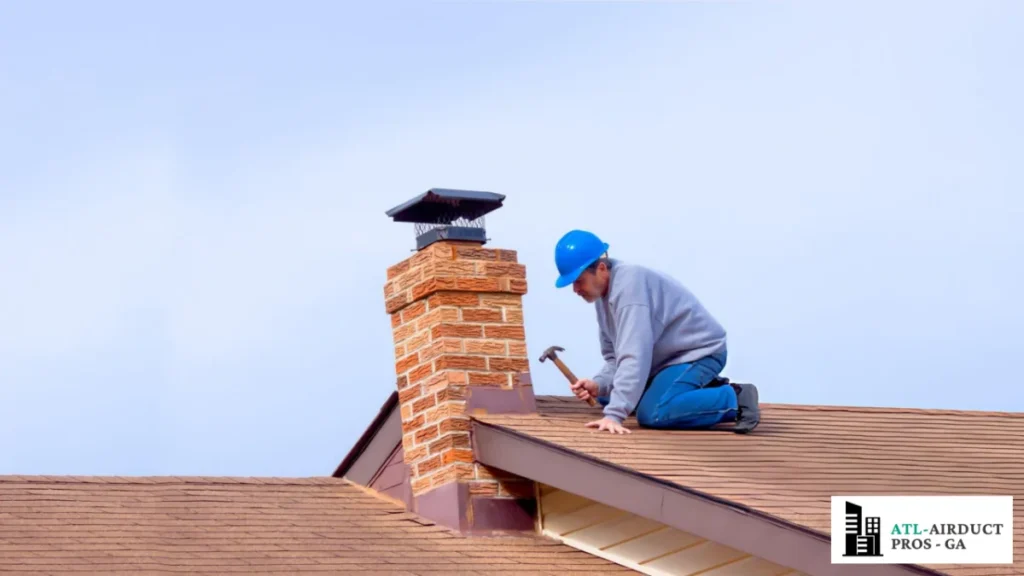
Photo Credit | Airduct Cleaning ATL LLC
Starting with the Inspection
The process for sweeping, once our team arrives at the customer’s home, begins with a thorough inspection of the fireplace and chimney. The inspection may vary depending on the type of fireplace, but generally, we focus on proper construction and maintenance to ensure the fireplace functions safely and performs exactly as it is supposed to.
Understanding Creosote
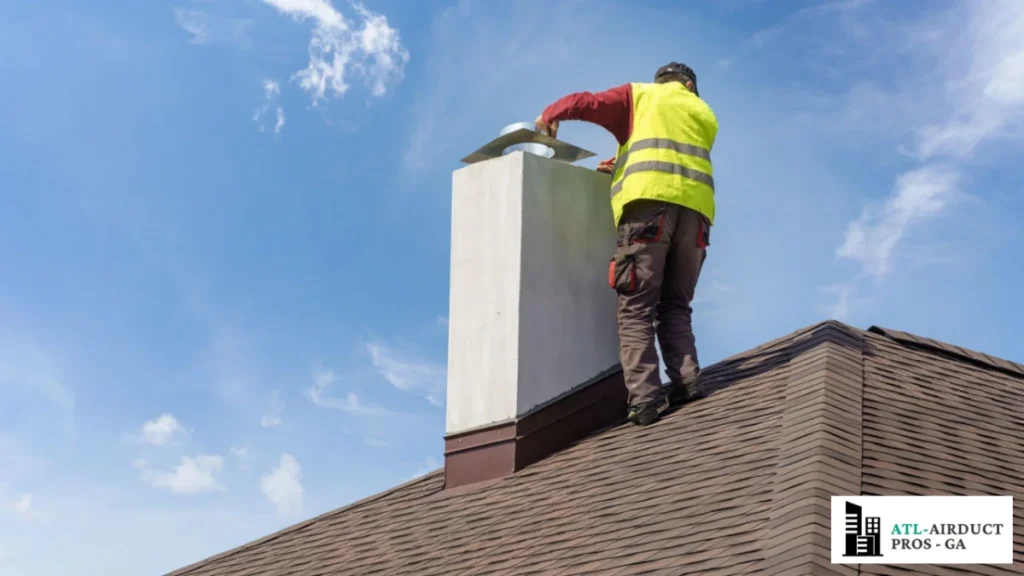
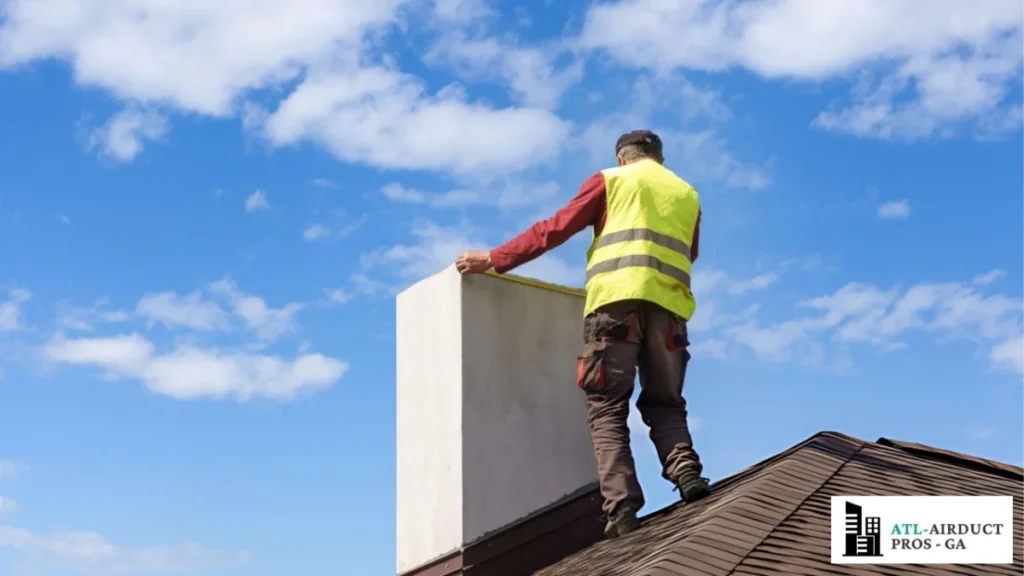
For creosote, that’s kind of the main thing we’re talking about when we’re talking about chimney sweeping. It’s a combustible, it’s basically… Think of it kind of like fluffy charcoal. There’s what we consider three stages of creosote. It starts to get more tarry, and it dries hard, and glazes on it, and it’s very difficult to get off.
Well, you’re putting heat up there when you’re burning your fire. If there’s enough oxygen in there, and you get the right spark, it could start a chimney fire. The buildup you want to see is really flakey. Some you go into, and they’re completely caked up.
Understanding the Fireplace System
I rate these projects by how many F-bombs you’re likely to drop while tackling the project. This one isn’t too (jackhammer rattles) difficult, but it takes a little bit of time, can get a little messy, requires you to get on your roof, and requires some basic tools to knock it out. I’ll leave a link in the description down below, where you can find all the necessary tools you may need for this job.
Fortunately, cleaning your chimney isn’t a super challenging task, and it’s something that most homeowners can tackle on their own if they choose to, so today I’m gonna show you how you can do it and why you should add this to your to-do checklist to make sure that your home is ready for the winter.
How a Fireplace Works in chimney cleaning
Before we get started on showing you how to clean the chimney, it helps to understand how a fireplace works. Knowing the basic function of your fireplace makes it easier to fix problems or perform maintenance when needed.
If you don’t care about how it works and just want to skip ahead, that’s fine—you can use the time code links in the description to jump straight to the cleaning process. Otherwise, here’s a brief overview.
The major components of a traditional fireplace include:
- Firebox – where the fire burns.
- Damper – controls airflow and can be closed when the fireplace is not in use.
- Smoke shelf and smoke chamber – direct smoke flow upward and help create proper draft.
- Chimney flue or liner – guides smoke safely out of the home.
- Crown – the top exterior of the chimney that protects it from weather.
As a fire burns, heat and smoke rise through the damper into the smoke chamber and up the flue. Turbulent air from the room mixes with the air in the chimney along the smoke shelf, creating an updraft that sends smoke out of the home instead of into the living space.
The damper is especially useful when the fireplace is not in use—it can be closed to prevent cold air from falling down the chimney and creating drafts inside your home.
While many traditionally constructed chimneys are no longer considered the most efficient ways to heat a home, for the sake of this guide, we’ll assume you have a traditional style fireplace that needs cleaning.
Step 1: Preparing Your Chimney for Professional Cleaning
Cleaning your chimney should only be done when you haven’t had a fire in the fireplace for a while. This ensures the chimney and flue are cool and safe to work with.
Here’s what you need to get started:
With these preparations in place, you’ll be ready to start the chimney cleaning process safely and efficiently.
Step 2: Safe Roof Access and Chimney Cap Inspection
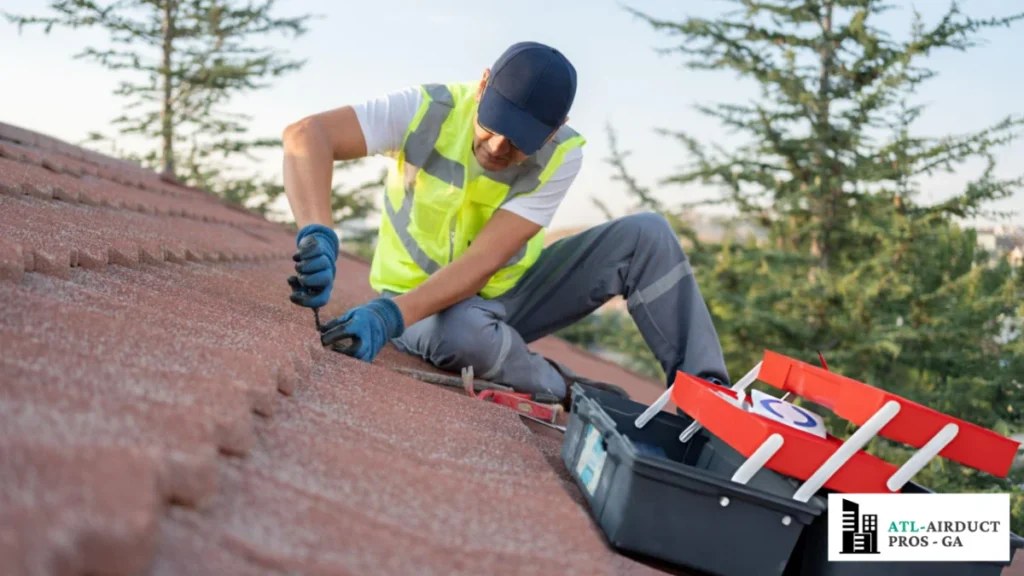
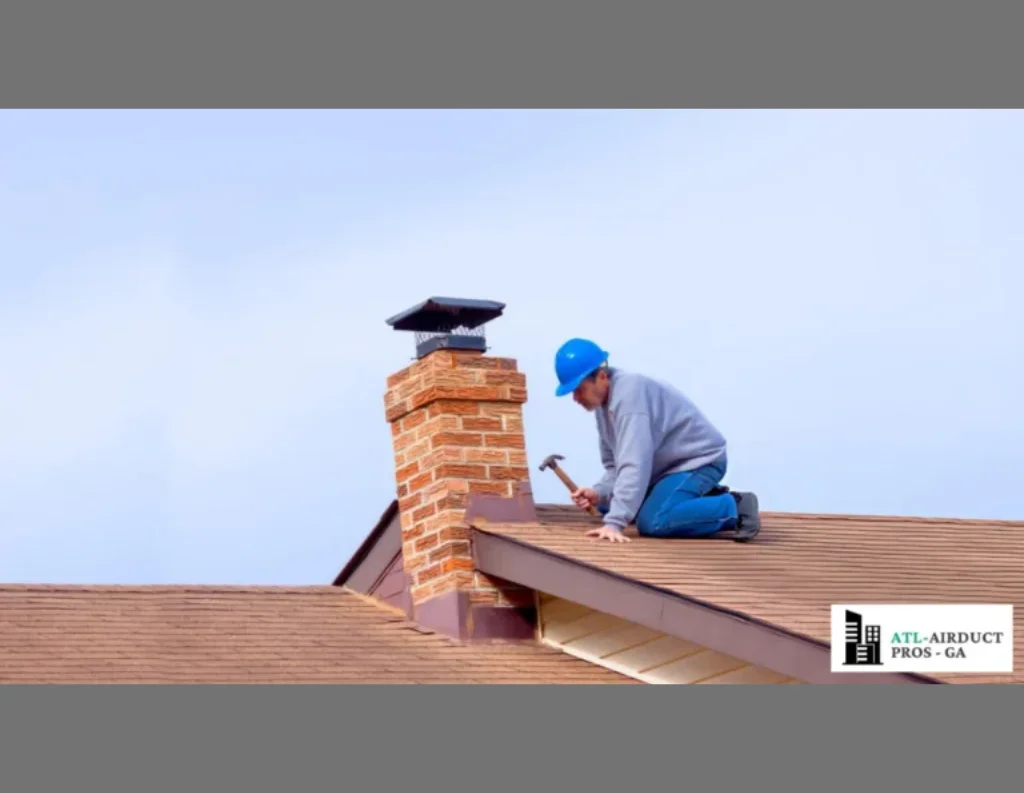
Next, you’ll need to access your roof, so make sure you can do so safely using a sturdy ladder. Steeper-pitched roofs can make this step more challenging, so take all necessary safety precautions before climbing. Depending on how high your chimney extends above the roofline, you may also need an additional stepladder or stool to reach the very top.
Once you’re safely on the roof, the next step is to remove the chimney cap. Most caps are installed with just a few screws, making them easy to remove. If you don’t already have a chimney cap, it’s highly recommended to purchase one.
Why a chimney cap is important:
Chimney caps aren’t very expensive and come in various size ranges. Be sure to measure your chimney liner to select the correct size when purchasing one online.
Step 3: Chimney Inspection and Tool Preparation
Next, you’ll want to inspect the chimney to see what you’re dealing with. Shine a flashlight down the flue to check for debris or buildup. If you have a GoPro or action camera, this is a perfect time to use it. Attach it to a long pole and lower it down the chimney to inspect for any visible obstructions or damage. Even if the chimney looks fairly clean, you may notice buildup along the walls that needs attention.
Once inspection is complete, assemble your cleaning brush. This typically involves attaching the fiberglass rods together and securing the brush attachment at the end. If someone is inside the house, have them turn on the shop vac to collect dust. Otherwise, you may need to climb down to operate it yourself.
Safety precautions:
With these steps, you’re ready to start cleaning the chimney safely and effectively.
Step 4: Thorough Chimney Cleaning
If you have a brush that attaches to a drill, start by feeding the rods down the chimney until you reach the full length of your chimney liner. Then, attach the other end of the rods to the drill, making sure the chuck is connected tightly. This is important—you don’t want the rods to drop down the chimney, as retrieving them can be very challenging.
Cleaning process tips:
This step ensures your chimney is fully cleaned and ready for safe, efficient use.
Step 5: Final Fireplace Cleanup
After finishing the chimney cleaning, allow the dust to settle for at least 30 minutes so any airborne particles can drop into the firebox.
Cleaning out debris:
Finally, reinstall any fireplace screen or doors you may have. Your fireplace or wood stove is now ready to provide many warm and safe fires throughout the winter season.
Maintenance Tips for Chimney Safety
It doesn’t hurt to burn a creosote-busting log in your fireplace every once in a while. These logs are designed to help prevent creosote buildup, but they should never replace a thorough chimney cleaning.
Alternative options for easier maintenance:
Safety tips in chimney cleaning
How to Know If You Need a Chimney Cleaning
At Airductcleaning-ATL.com, one of the questions we get asked most often is: how do I know when I need a chimney cleaning? My husband and I have been installing wood stoves and servicing them for over 11 years, and today I want to share with you some tips and tricks that I’ve learned and what I tell my clients here in Atlanta.
How Much Wood Have You Burned?
The first thing I ask my clients is how much wood have you burned since it was cleaned last. If you’re burning dry seasoned wood properly, the average system can burn around three or four cords before it should get a cleaning. There are a few factors that would affect that though.
The Importance of Dry Seasoned Wood
Firstly and most likely, are you burning dry seasoned wood? Your firewood should be around 16 and it should be burnt properly. If you’re not doing that, you’re more likely to have some buildup in your chimney and need a cleaning more often.
System Performance and Chimney Placement
Another thing that can greatly affect the buildup in your chimney is your system performance. If you have an outside chimney that goes through your wall and up the outside of your house, you’re more likely to have buildup than a chimney that’s inside the home and is more warm. Also, outside chimneys will have buildup at the T of the chimney as opposed to at the top.
Signs You Need a Chimney Cleaning
One clear way to know if it’s time for a chimney cleaning is when you’re preparing to load your stove. Open the damper and the stove door—if previously you could have the stove on with the door open and now you can’t, it’s likely your chimney needs cleaning. You may notice smoke rolling out around the door, which indicates that the flue is getting choked off.
Another indicator is to inspect your rain cap at the top of the chimney. Look for buildup on the horizontal plate over the flue. This area collects debris faster because it’s horizontal and cold, causing flue gases to deposit soot there first. If you see significant buildup on the rain cap, it’s a strong sign that your chimney is ready for a thorough cleaning.
The Best Time of Year to Clean Your Chimney
Just wanted to add a quick little note about when the best time of year to clean your chimney is. Insurance typically asks for a chimney cleaning once a year. It’s recommended to clean your chimney once a year, and the ideal time of year to do that is in the spring.
Even if you didn’t burn your stove a whole lot, leaving the creosote in there or any kind of buildup in your flue liner can be very detrimental to your flue. Creosote turns to sulfuric acid when it’s wet, and it can actually eat away at the stainless steel in your liner. So ideally, you finish up for the season, you give it a good cleaning, and shut her down for the year. It’s clean, ready to go for spring—or sorry, for the fall.
And on a side note, that’s also when you start getting your firewood so you can ensure that you have good seasoned firewood ready to burn.
Final Thoughts
Okay, I hope you found that helpful. If you have more wood heating questions, please check out our services at Airductcleaning-ATL.com. We’re always here to help Atlanta homeowners with their chimney and air duct needs.
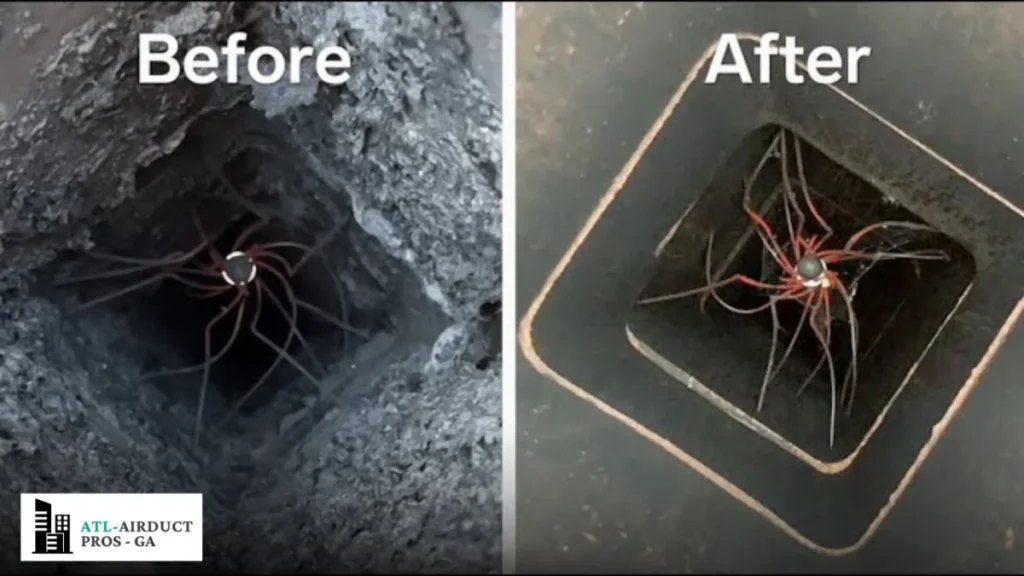
Before and After Chimney cleaning in Atlanta GA
Services we offer
We’re Ready To Deliver Safer, Cleaner & More Efficient Fireplaces – Chimney Cleaning Done Right and Faster.
What people are saying
Amazing experience! Our chimney hasn’t looked this clean in years, and now we can enjoy our fireplace worry-free.”
“Friendly, professional, and efficient—definitely the best choice for chimney cleaning in Atlanta!

Michael Thompson
Buckhead, Atlanta, GA
Extremely professional and thorough! Our chimney is spotless, and the fireplace now works perfectly.”
“Top-notch service—fast, dependable, and highly recommended for anyone in Atlanta looking for expert chimney cleaning.”

Jennifer Harris
Midtown, Atlanta, GA
“Outstanding service! The chimney is perfectly cleaned, and we feel much safer using our fireplace now.”
“Prompt, professional, and reliable—highly recommend this team for anyone in Atlanta needing expert chimney cleaning.”

David Roberts
Decatur, Atlanta, GA