
looking for Airduct cleaning in Atlanta
Contact | +1 (678) 649-0099
At Air Duct Cleaning ATL, we get this question every single week. The short version from a service company that actually works on the systems? Most homeowners don’t need routine duct cleaning, and when it’s done poorly it can create new problems. Still, there are times when a thorough, professional cleaning makes sense, and there are smart steps to take before and after the job so you don’t end up with a noisy blower, a tripped limit switch, or a filter that clogs in days. Here’s our honest, field-based take so you can decide confidently for your home.
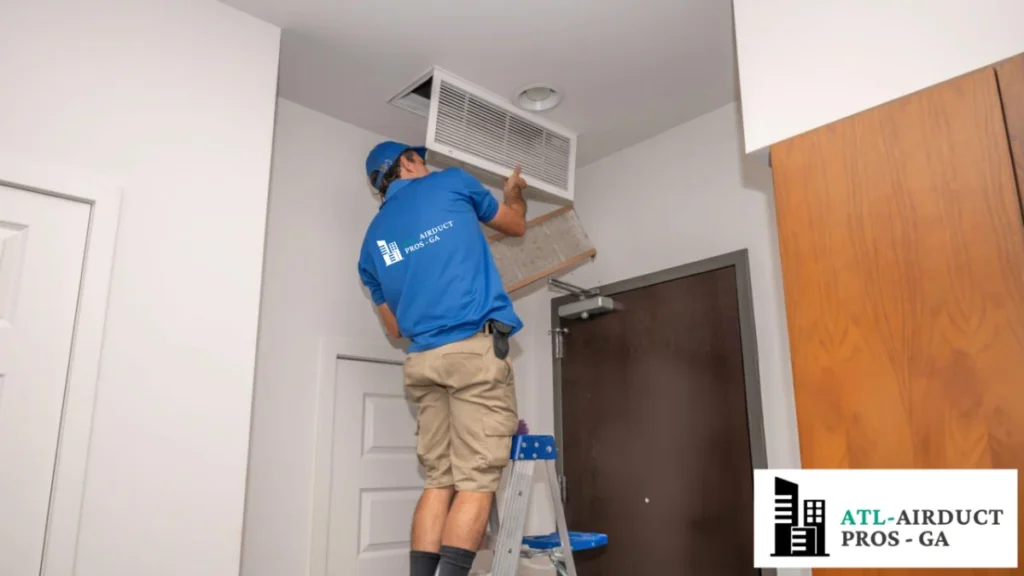
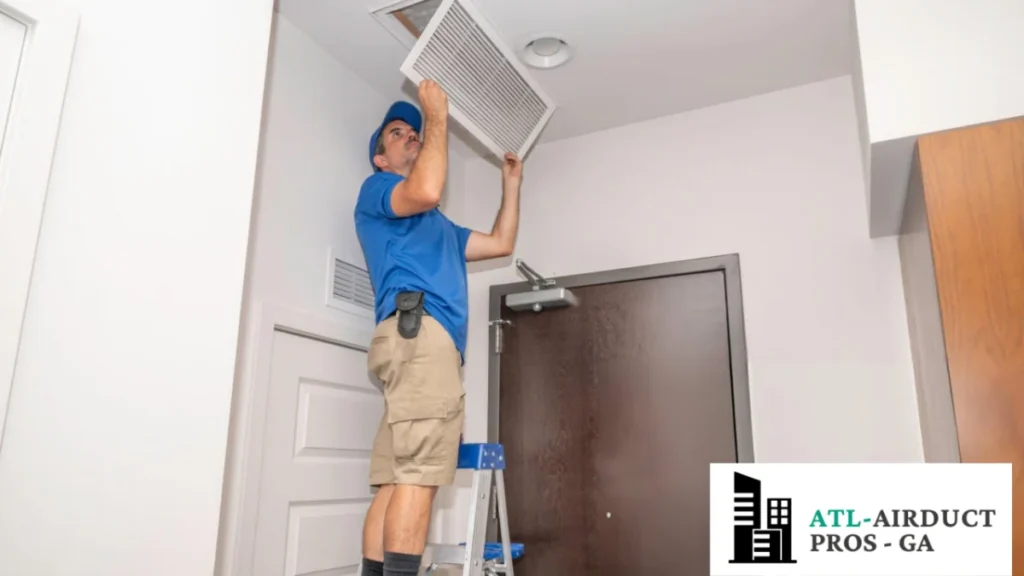
Is Duct Cleaning Necessary?
For the majority of households, the answer is usually no. In a typical, well-sealed system, dust tends to adhere to the inner walls of the ductwork like a film rather than constantly blowing into your living space. That buildup looks dramatic when you peek inside, but in most homes it isn’t actively entering the air you breathe. Where cleaning can be worth it is in a small set of scenarios: very old duct systems that have never been serviced, homes with heavy shedding pets and visible hair or debris inside supply registers, properties that have undergone a dusty renovation where the HVAC ran during sanding or cutting, or situations with verified microbial growth, pest contamination, or smoke damage. In those cases, a careful, documented cleaning paired with a system inspection can be helpful, and we’re happy to walk you through what that should look like. If you want a no-pressure opinion before you spend a dime, schedule a professional duct inspection in Atlanta with our team at Air Duct Cleaning ATL, and we’ll tell you straight whether cleaning will actually move the needle for your home: https://airductcleaning-atl.com/
What Duct Cleaning Really Does For Air Quality
Most of the dust inside ductwork is stuck to the metal or lined surfaces and doesn’t entrain easily into the airstream. When a blower runs, it mainly moves conditioned air while that adhered film stays where it is. That’s why simply having dirty-looking ducts doesn’t automatically mean you have dirty indoor air.
Where indoor dust really comes from
Day-to-day household dust is generated by people, pets, fabrics, carpet, cooking, and what comes in on shoes and from open doors and windows. Your return pulls that dust back toward the filter, which is why a high-quality, properly sized filter and a tight return system usually do more for everyday air quality than a one-time duct cleaning.
Day-to-day household dust is generated by:
What the EPA has said about duct cleaning
Public guidance from the EPA notes that duct cleaning has not been shown to prevent health problems and that studies don’t conclusively prove higher particle levels in homes with dirty ducts because much of the debris adheres to duct surfaces. Translation from the service bay: focus on source control, filtration, and sealing leaks first, and only clean ducts when there’s a clear, documented reason.
Remodeling? Protect Your System
If you’re sanding drywall, cutting wood, or doing any work that generates fine dust, try to keep the HVAC off while the dust is in the air, cover supply and return openings where practical, let the dust settle, and vacuum thoroughly before turning the system back on. That simple sequence can save your blower wheel, keep your evaporator coil from matting over, and prevent a brand-new filter from plugging almost immediately.
Avoiding Post-Cleaning Surprises
After a cleaning, take two minutes to verify the furnace or air handler doors are seated, the service switch is on, the thermostat resumes normal operation, and any safety interlocks are engaged. If a crew shut off power or pulled doors to access the blower or coil and failed to restore them correctly, your system may short-cycle or not run at all.
Open vents and look for forgotten access points
Some teams close registers while they work and forget to reopen them, which can create airflow issues and overheating. Also look for any temporary access holes in the supply or return that were cut for agitation or vacuuming and confirm they’ve been sealed properly. Small misses here are a common cause of “it never ran the same after” calls.
Filters After a Cleaning: Expect Them to Load Fast
A thorough cleaning loosens dust that was stuck to duct surfaces. Even with a strong negative-pressure vacuum, some fine material will recirculate over the next few days. That is why filters that normally last months can load up in a week after service. Plan to check and replace the filter weekly for two to three weeks post-cleaning, and keep an eye on your evaporator coil if cooling performance seems off. We see no-heat and no-cool calls every season that trace back to a brand-new filter that clogged right after a cleaning. It feels counterintuitive, but it’s very real.
When Duct Cleaning Makes Sense—and How We Handle It
We’re not in the business of selling you something you don’t need. Our process is inspection-first. We verify the problem you’re trying to solve—visible debris, post-renovation contamination, verified microbial growth, or a pest issue—and we document what we find. If cleaning is justified, we protect the equipment by isolating the blower and coil, pull strong negative pressure with a high-efficiency vacuum, agitate ducts with the right tools for the material, seal registers during agitation, and finish with careful cleanup, a fresh filter, and start-up checks to confirm proper operation. You get before-and-after visuals so you know what changed, and you get maintenance guidance so the fix sticks. If you want this level of care, you can learn more about our air duct cleaning in Atlanta here: https://airductcleaning-atl.com/
Final Thoughts
We’ll always be straight with you. Most homes do not need routine duct cleaning, and the fastest way to better day-to-day air is to tighten the return, choose the right filter, change it on time, and keep dust-generating projects away from an operating HVAC system. When cleaning is warranted, doing it right—and following through with post-cleaning filter checks—keeps your furnace and air conditioner safe and your air clear. If you’d like an honest, local opinion before you commit, our techs are happy to take a look and give you a yes or no you can trust. our reviews


